
Business’s Online Presence: A Comprehensive Strategy
Customers expect to find and interact with businesses online. Local service provider or e‑commerce brand, your digital presence influences first impressions, customer trust, and sales performance. A strong online presence is more than just a website or social media profile; it’s an integrated system of channels that work together to attract, engage, and convert your ideal customers. This guide outlines how to build and maintain that system so your business thrives.
Your Website: The Digital Homebase
Think of your website as your digital storefront. Unlike rented space on social media, you own your site and control its appearance, content, and functionality. According to a 2023 report on website statistics, roughly 71 % of businesses already have a website, and 43 % of small business owners say improving website performance is a top priority. Your site is where visitors learn about your products, services, and values, and it’s often the first place they form an opinion of your brand.
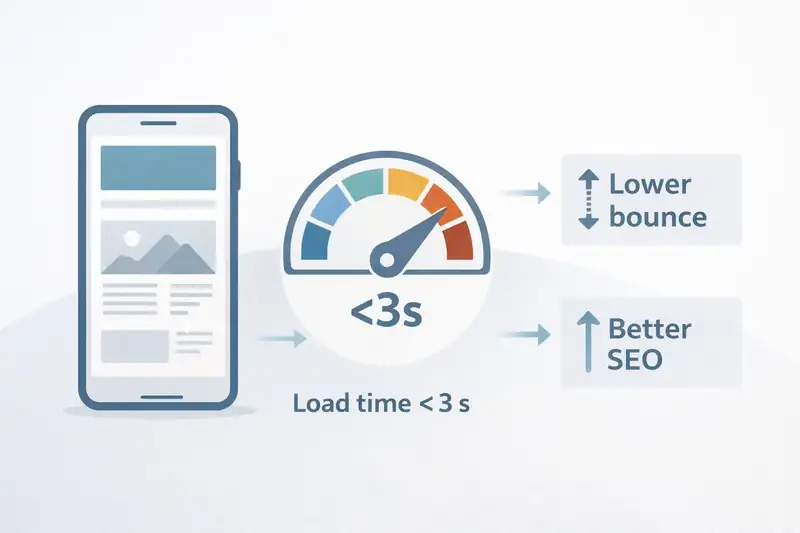
Design for credibility. Studies suggest users form an impression of your site in as little as 0.05 seconds. A clean layout, fast load times, and consistent branding signal professionalism. Avoid clutter, use plenty of white space, and ensure that navigation is intuitive. Your company’s colors and typography should align with your offline branding so customers recognize you across channels.
Focus on mobile. More than half of internet traffic in North America comes from mobile devices. Use a responsive design that adjusts to different screen sizes, and test your site on smartphones and tablets to ensure content loads quickly and buttons are easy to tap.
Make it accessible. Follow accessibility guidelines (such as the WCAG) so people with disabilities can navigate your site. Alt text for images, high contrast colors, and keyboard friendly navigation not only broaden your audience but can also improve search rankings.
Integrate analytics. Tools like Google Analytics or Matomo let you see where visitors come from, which pages they view, and how long they stay. Use these insights to refine your marketing efforts and improve user experience. Data from your website is owned by you and is typically more detailed than analytics from social platforms.
Search Visibility: Optimize for Discovery
A beautiful website is useless if no one can find it. Search engines drive the majority of web traffic; Google alone accounts for about 93 % of the global search market share. To appear in search results, especially on the first page, you need to optimize your site for both human readers and search algorithms.
Keyword research. Use tools like Google Keyword Planner or Ahrefs to identify phrases your target customers search for. Target long tail keywords (three or more words) that indicate strong purchase intent or specific problems. Include these phrases naturally in page titles, headings, meta descriptions, and throughout your content.
Technical SEO. Make sure your site is structured in a way that search engines can easily crawl. Create a logical hierarchy with clear internal links. Use descriptive URLs (e.g., /services/web-design instead of /page?id=123) and generate an XML sitemap. Compress images and enable browser caching to improve load speed.
Local SEO. If you serve customers in a specific region, claim and optimize your Google Business Profile. Ensure your name, address, and phone number are consistent across directories and encourage happy clients to leave reviews. Local signals help you appear in “near me” searches, which are common for mobile users looking for immediate solutions.

Social Media: Community and Discovery
Nearly two thirds of the world’s population uses social media, about 5.24 billion people, spending more than two hours per day on these platforms. Social networks help you reach new audiences, build community, and showcase your brand’s personality. They’re also increasingly integrated with shopping features, making it easier for users to buy from you without leaving their favorite app.
Choose the right platforms. You don’t need to be everywhere. Select channels based on where your audience spends time and the type of content you produce. Instagram and TikTok work well for visual brands; LinkedIn suits B2B companies; Facebook’s groups are great for fostering community; X/Twitter is useful for news and customer service.
Create valuable content. Social media users quickly scroll past promotional posts. Share educational tips, behind the scenes stories, and user generated content that showcases your products in real life. Video remains the most engaging format, with marketers citing it as the top medium for return on investment.
Engage and listen. Respond to comments and messages promptly, ask questions, and run polls. Social platforms are two way communication channels; treat them as conversations, not billboards. Encourage user participation through contests or branded hashtags.
Drive traffic back to your website. Use posts, stories, and bios to link to blog articles, product pages, and sign up forms. Social media is excellent for discovery and engagement, but you should always encourage followers to visit your site, where you can capture email addresses and track user behavior.
Email Marketing: Own Your Audience
An email list is one of the most valuable marketing assets you can have. Unlike social followers, email subscribers belong to you; there’s no algorithm controlling whether they see your messages. The return on investment for email marketing is high, some estimates place it at $36 for every $1 spent.
Grow your list. Offer incentives like discounts, free consultations, or helpful guides in exchange for an email address. Embed sign up forms on your website, use exit intent popups judiciously, and promote your newsletter on social media.
Segment and personalize. Group subscribers by interests or behavior (e.g., past purchases, location, or engagement) and send relevant messages to each segment. Personalized emails lead to higher open and click through rates because readers feel the content is tailored to them.
Automate nurture sequences. Set up welcome campaigns, abandoned cart reminders, and post purchase follow ups. Automation ensures timely communication and frees you from manually sending each email.
Measure and refine. Monitor open rates, click through rates, and conversions. Use A/B testing on subject lines, content, and send times to improve performance. Pay attention to deliverability by maintaining a clean list and complying with spam regulations.
Content Marketing: Educate and Build Authority
High quality content in the shape of blog posts, videos, podcasts, or infographics, is the glue that holds your digital presence together. Content answers customer questions, educates prospects, and establishes your expertise. Research shows that 92 % of B2B marketers create short articles or posts and 76 % produce videos, and that video remains a top investment area for marketers.
Plan strategically. Create a content calendar that aligns with customer pain points and buying stages. For example, top of funnel content (“How to” guides, listicles) attracts new visitors, while bottom of funnel content (case studies, testimonials) helps convert prospects.
Repurpose and distribute. Turn a webinar into a blog post, break up a long article into social posts, or use snippets from a video for Instagram Stories. Repurposing amplifies reach without requiring you to create content from scratch each time.
Optimize for search and sharing. Include keywords in titles and headings, use descriptive alt text for images, and add social sharing buttons. Consider adding schema markup to your articles to help search engines understand your content and improve the chances of rich snippets.
Analytics and Continuous Improvement
Data is your compass in the digital landscape. By measuring performance across all channels (website, search, social, email, and content) you can see what’s working and where to pivot. Tools like Google Analytics, Search Console, social insights, and email dashboards provide valuable metrics.
Focus on key indicators: page load times, bounce rates, organic search traffic, social engagement, email open and click rates, conversion rates, and customer lifetime value. Set benchmarks and track changes over time. If your blog traffic spikes after a new post, double down on similar topics. If social engagement drops, test different formats or posting times.
Remember that building an online presence is an ongoing process. Trends change, algorithms evolve, and customer expectations shift. Stay curious, experiment with new tools and formats, and continuously refine your strategy based on data.
Actionable Checklist
Ready to get started? Use this checklist to build a well rounded online presence:
- Secure a domain and professional hosting. Install a content management system such as WordPress or Shopify.
- Design your website with clear branding, fast load times, and mobile responsiveness.
- Conduct keyword research and optimize on page SEO (titles, headings, meta descriptions).
- Claim and optimize your Google Business Profile and other local listings.
- Choose social media platforms aligned with your audience. Create a posting schedule and engage regularly.
- Develop a content calendar that balances educational, inspirational, and promotional pieces.
- Set up email capture forms and welcome sequences. Segment subscribers based on interests.
- Install analytics tools to track traffic and conversions. Review data at least monthly.
- Test, iterate, and adapt. Use A/B tests, surveys, and customer feedback to refine your digital presence.
Your online presence is the sum of many moving parts. Focusing on each component; website, search, social, email, and content, and ensuring they work together will help you build a sustainable, scalable platform for your business.
Conclusion
Creating and maintaining an online presence isn’t a one time project; it’s an ongoing journey. By treating your website as your home base, optimizing for search, engaging your community on social media, nurturing leads via email, and providing valuable content, you’ll attract the right audience and build lasting relationships. Stay flexible, follow the data, and keep refining your strategy. Your business will be ready to thrive in the digital landscape of today and tomorrow.