
Web Design and Branding: Elevating Your Business
First impressions are everything. A slick website and cohesive brand identity aren’t just nice to have, they’re essential for earning trust, standing out from competitors and driving growth. This guide explores how thoughtful web design and consistent branding work together to elevate your business, from the psychological impact of colors and typography to the nuts and bolts of user experience and storytelling.
Why design and branding matter
Your website is often the first interaction potential customers have with your brand. Research shows that a website’s credibility is largely influenced by its design, one study found that about three quarters of a site’s perceived trustworthiness depends on its visual appeal. Poor design can drive visitors away: 88 percent of online consumers won’t return after a bad experience. Conversely, a well designed site builds credibility, reinforces your brand promise and encourages people to stick around longer.
Branding plays an equally important role. A consistent look and feel across your website, social media, packaging and marketing materials can directly boost your bottom line. Surveys show that businesses with consistent branding report 10 – 20 percent higher revenue, with 60 percent of companies saying consistency adds at least 10 percent to their earnings and nearly a third seeing 20 percent or more. Consistency reduces confusion, creates recognition and sets the stage for deeper customer loyalty.
Build a strong brand identity
A compelling brand starts with a clear identity: who you are, what you stand for and who you serve. Begin by defining your mission and values, then develop visual elements that reflect them. This includes your logo, colors, typography and imagery. Choose colors wisely, color psychology research suggests that most buyers believe color increases brand visibility and influences purchasing decisions. For example, warm hues like reds and oranges convey energy and urgency, while blues and greens evoke trust and tranquillity. Select a typeface that matches your brand tone (friendly and rounded for a casual feel, or clean and modern for a professional vibe).
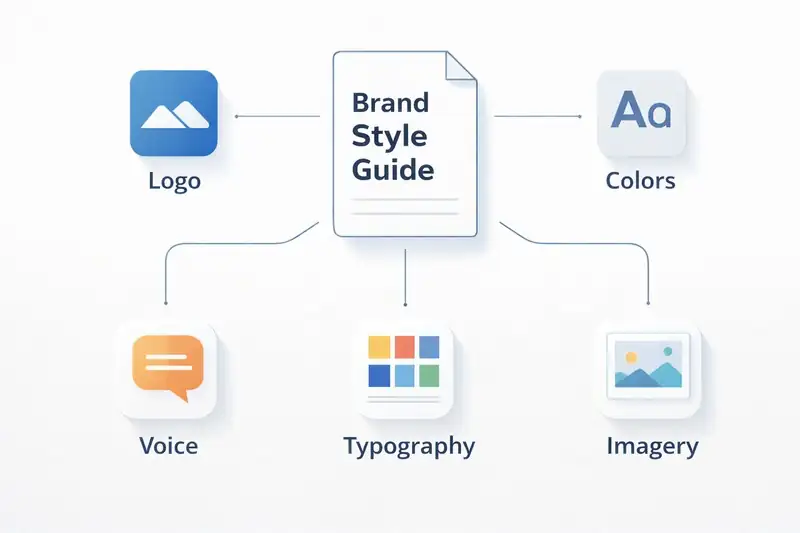
Once you have your visual language, apply it consistently across all touch points. Create a brand style guide that outlines color codes, font usage, logo placement and tone of voice. Make sure that anyone creating content, from designers to marketers, maintain a unified look. Consistent branding not only elevates your business image but also helps customers recognize your products and content, no matter where they see them.
Align your website design with your brand
Your website should be a reflection of your brand personality. Use your established colors, fonts and imagery to create a cohesive experience. Ensure your logo is displayed prominently and that navigation feels intuitive and familiar. Thoughtful layouts guide visitors along a journey, from landing pages to product pages and checkout, ensuring they never feel lost. Keep design elements consistent: button styles, iconography and headings should follow the same visual language throughout the site.
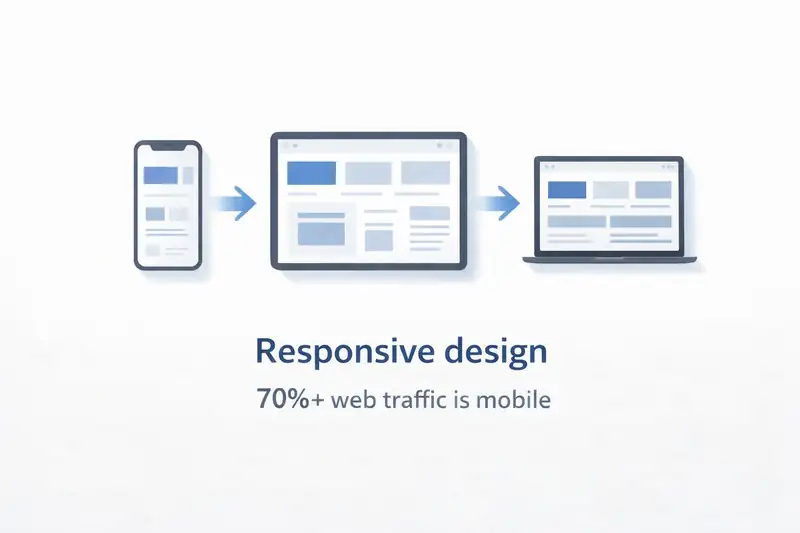
Pay attention to visual hierarchy. The arrangement of elements that draws the eye to what matters most. Use contrasting colors or larger fonts for calls to action, and allow ample white space so content can breathe. Implement a responsive design so your site looks and functions well on mobile devices. With over 70 percent of web traffic coming from smartphones and tablets, a responsive design isn’t optional.
Create engaging user experiences
User experience (UX) is about more than aesthetics, it’s how your website functions and feels. Fast load times are critical; visitors are likely to leave if a page takes longer than a few seconds to load. Use performance optimization techniques like image compression, caching and minimal scripts to keep your site snappy. Keep navigation simple, with clear menus and search functionality to help users find what they need quickly.
Engaging content keeps visitors on your site. Use a mix of text, images, infographics and video to tell your brand story. Video can be particularly powerful, people often stay longer on pages with video content, and it can communicate your values and showcase products more effectively than text alone. Interactive elements like quizzes or calculators can also enhance engagement while collecting valuable data.
Don’t forget accessibility. Make sure your design accommodates users with visual or motor impairments by using high contrast colours, readable fonts and alt tags on images. An accessible site is ethical, it’s good business, expanding your potential audience and improving SEO.
Tell a cohesive story
Great brands use storytelling to connect with their audience. On your website, craft a narrative that guides visitors through your business journey, values and offerings. Start with an emotional hook on the homepage, then lead to sections that explain what you do, why it matters and how you can help. Case studies and testimonials provide social proof and humanize your brand.
Throughout your site, align messaging with your brand voice. Use headings and micro copy that reflect your company’s personality; whether it’s friendly and playful, or authoritative and technical. Consistent messaging helps visitors feel they’re engaging with a cohesive brand rather than a collection of disjointed pages.
Measure and iterate
Effective design and branding are informed by data. Use analytics tools to track metrics like bounce rate, average session duration, conversion rate and returning visitors. Heat maps and user recordings can reveal where visitors hesitate or drop off, giving you clues about where to improve. Run A/B tests to compare design variations like different header layouts or call to action colors, and let the results guide your decisions.
Solicit feedback from your customers. Surveys, usability tests and one on one interviews can uncover pain points that analytics alone might miss. Regularly updating your site and brand assets based on data and feedback ensures you stay relevant as customer expectations evolve.
Conclusion
Your website and branding are joint projects. They’re interconnected parts of your business identity. By investing in cohesive design and consistent branding, you build trust, improve user experiences and ultimately drive revenue. Keep refining your visuals, your messaging and your user journey based on data and feedback, and your business will continue to stand out in a crowded marketplace.